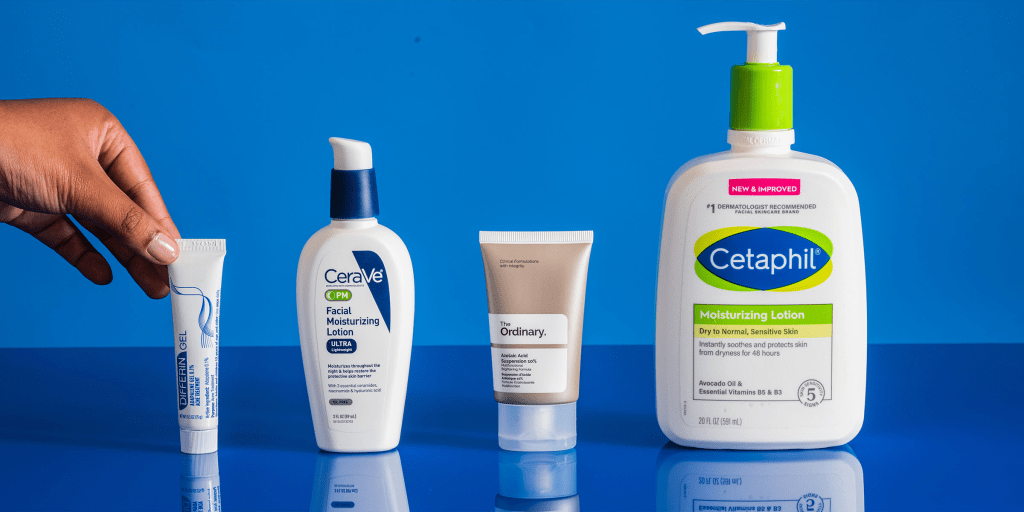
Whether you have chronic cystic pimples or a patch of blackheads, dealing with acne is tricky. There isn’t a magic Read this wand that zaps zits away immediately. Acne is complex; it can require time, patience, specific ingredients, and information about the type of acne you’re experiencing to get it under control.
Your first step is to identify your pimples: Are they solid bumps that are typically red, painful, and possibly filled with pus? Those are inflammatory pimples, and there are four types: papules, pustules, cysts, and nodules (the last two tend to be deeper in the skin, more severe, and especially painful). They can form because of excess oil production, bacteria, or hormonal imbalances, says Geeta Yadav, MD, a board-certified dermatologist and founder of FACET Dermatology. To treat these, you’ll want an acne formula that contains benzoyl peroxide, which is an anti-inflammatory that kills c. acnes bacteria.
But “if most of your acne bumps are small or look like a white, black, or flesh-colored pinhead under the skin, then you most likely have comedonal acne (whiteheads and/or blackheads), which is caused by clogged pores,” says Christina Chung, MD, a board-certified dermatologist at Schweiger Dermatology Group. Salicylic acid is best for this acne; it breaks down the stuck sebum (oil).
To tackle a combination of acne types, you can alternate between a salicylic acid and benzoyl peroxide formula, or use one in the morning and one at night. Or consider a retinoid treatment instead. The vitamin A derivative promotes cellular turnover and regulates oil production, explains Sumayah Jamal, MD, board-certified dermatologist at Schweiger Dermatology Group. Incorporate it into your routine slowly. Dot a pea-size amount all over your face one night a week; if you can tolerate it, graduate to two nights, three nights, or more. “You don’t want to apply a retinol if you’re using salicylic or benzoyl peroxide. The combination can irritate skin,” says Yadav.
 Site Title
Leave a comment